
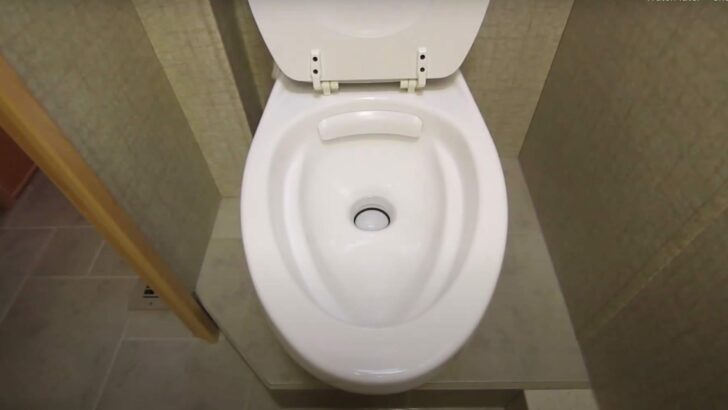
If this seems like an odd topic for a blog post, keep in mind that many seemingly ordinary household tasks that most people take for granted can be just a little different in an RV.
Just like folks in a sticks-and-bricks house, those of us who live full-time or travel part-time in an RV have home maintenance and cleaning chores. But cleaning certain parts of an RV can call for different products than you may be used to using in your home.
What type of toilet cleaner to use is a legitimate question because an RV toilet is often made from different materials, contains different parts, and even sends its contents to a different location than a traditional toilet in a regular home. And the last thing we want to do is damage RV components by using the wrong cleaning products.
So, today we’re getting down to the nitty and the gritty to discuss which cleaning products are best for your RV’s toilet and plumbing system.
Is Regular Household Toilet Bowl Cleaner Safe for my RV Toilet?
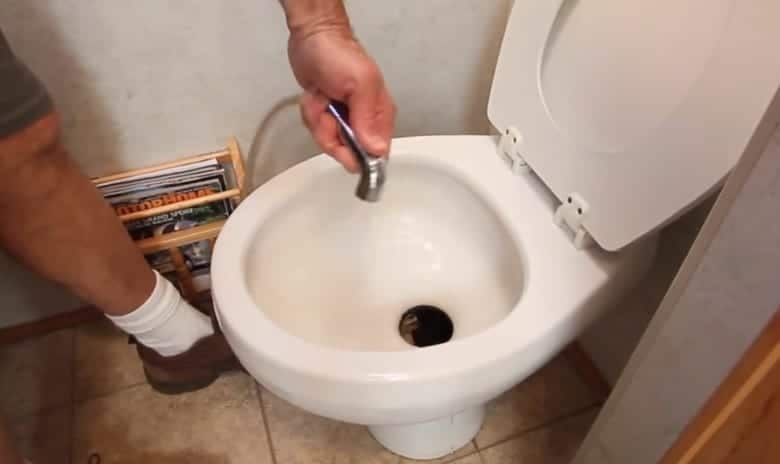
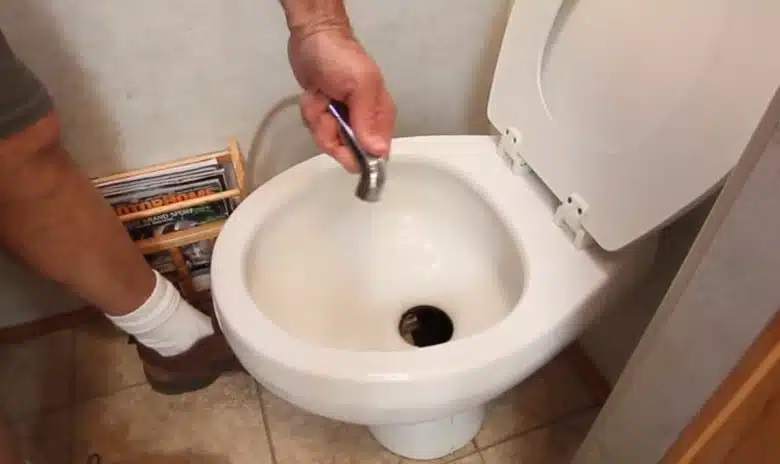
Be careful not to damage toilet or plumbing components, which are different in an RV than in a sticks & bricks house.
The answer is a resounding “It depends“! The general consensus, based on recommendations from most RV toilet manufacturers, is that you should avoid the use of harsh or abrasive cleaners. That’s because they want to be sure these products don’t damage the bowl, the toilet’s blade valve and seal, and/or the black water tank.
Why Household Cleaning Chemicals Could Be Bad for Your RV Toilet
Let’s take a closer look at the issues listed above and see what the impact would be of using a toilet bowl cleaner that wasn’t designed for use in an RV toilet.
RV Toilet Bowl Material
In order to save weight (and money), many RV toilets are made of plastic. The whole thing, including the bowl. If that’s the case with your toilet, you’ll want to be careful what cleaners you use. Harsh chemicals (like bleach) could etch the plastic of the bowl, degrading it prematurely and possibly causing it to get brittle and crack.
Abrasive cleaners, or stiff-bristle cleaning brushes, could damage the hardened layer on the surface, causing it to get scratched. These scratches become hiding places for dirt and bacteria to build up, making future cleaning more challenging. Use a nylon brush instead, or a sponge or a soft rag.
However, many RV toilets are made of porcelain. Sometimes it’s just the bowl, but in other models, (like our Thetford Aria), it can be the whole toilet… just like a standard household version. If that’s the case, you can be less careful with cleaners, since porcelain is impervious to most household chemicals… and can certainly handle any brush you can throw at it (though you really shouldn’t throw things at your toilet ????). But keep reading… there are other things to keep in mind.
Black Tank
Another thing to consider when choosing your RV toilet cleaner is how you manage your black tank. If you use a bacteriological system, you’ll want to be sure you’re not flushing harsh cleaning chemicals down your toilet, as they could damage the balance of helpful bacteria you’ve been carefully maintaining.
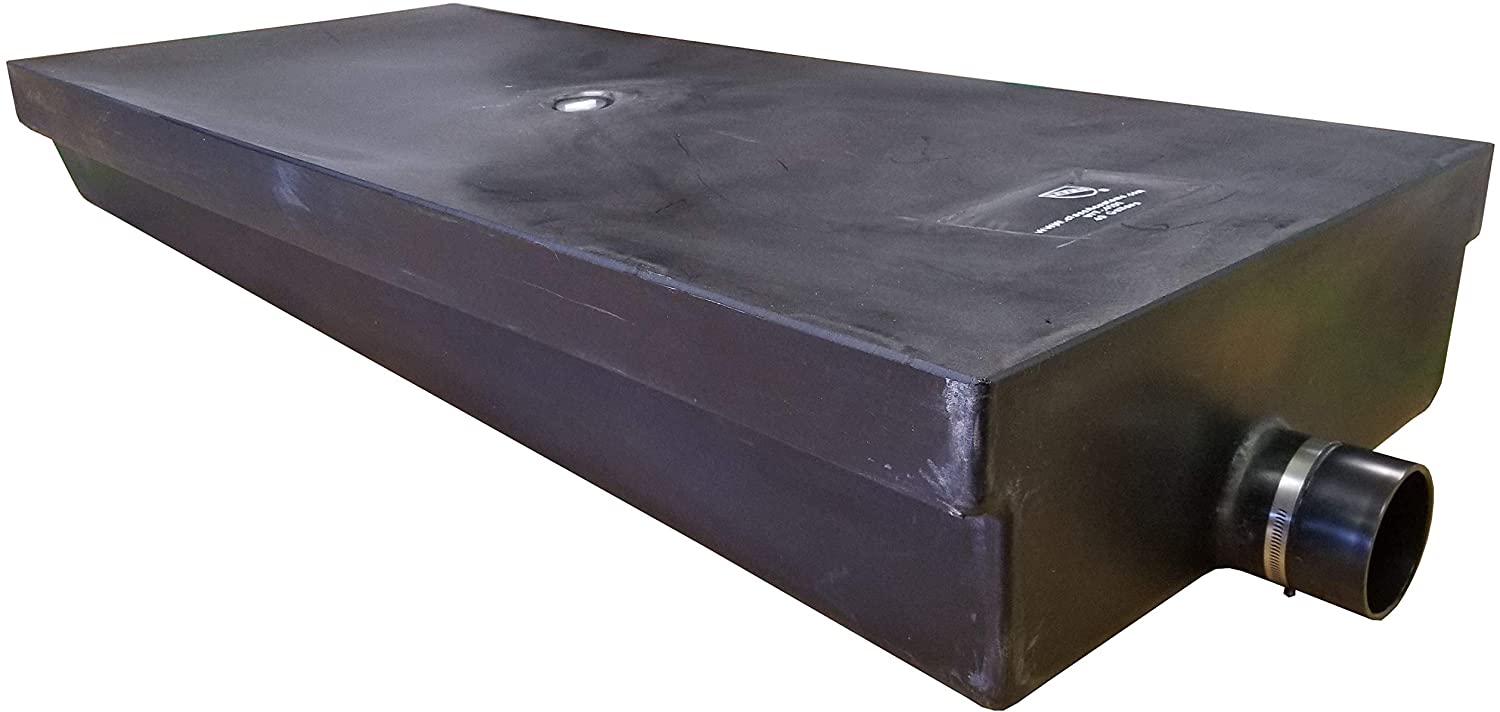
But even if you use a more typical black tank treatment (like Happy Campers, which is what we use), you may want to be careful what RV toilet cleaner you choose in order to avoid any possible chemical reactions. Many household cleaners include bleach, which can react with many other chemicals and release noxious (and dangerous) chlorine gas. And if you were to use those harsher chemicals when your black tank was mostly empty (and left them in the tank for too long) they could potentially, over time, damage the plastic of the black tank itself.
RV Toilet Seals & Black Tank Dump Valve
RV toilets don’t work the same way that typical household toilets do. Instead of having a p-trap design that retains water in the bowl, they rely on a blade valve and seal to keep the water and contents where they belong until you flush.
That valve and seal combination can be damaged by harsh chemicals, abrasive cleaners, or a stiff toilet bowl brush. And once it’s damaged, it won’t retain the water in the bowl, allowing odor from the black tank to rise up into your bathroom. ???? While it’s important to keep the blade valve and seal clean, you need to do it carefully to prevent it from being damaged.
And, once flushed into the black tank, those harsh chemicals could age/damage the seals on your black tank valve, leading to premature failure and leaks.
So, as you can see, there are a lot of factors to consider when choosing the right cleaner for your RV toilet.
Coming Clean: With our fully-porcelain RV toilet, we’ve only ever used typical household toilet cleaner, though we do avoid the versions that include bleach. We don’t use a bacteriological tank treatment, so we aren’t concerned about the cleaner affecting that. And since we always clean our toilet right before dumping the black tank, the chemicals are highly diluted by the mostly-full tank, and are then immediately flushed out completely.
As for the seal in our toilet blade valve? It’s the original one and still going strong after more than 16 years of full-time use! So we’re either extremely lucky, or our toilet seal is particularly impervious. ????
Can You Put Bleach in an RV Toilet?
No, you shouldn’t put bleach in an RV toilet under any circumstances. Not only could the bleach damage a plastic toilet bowl but, more importantly, continuous or regular exposure to bleach could damage or dry out the toilet valve seals and impede their function.
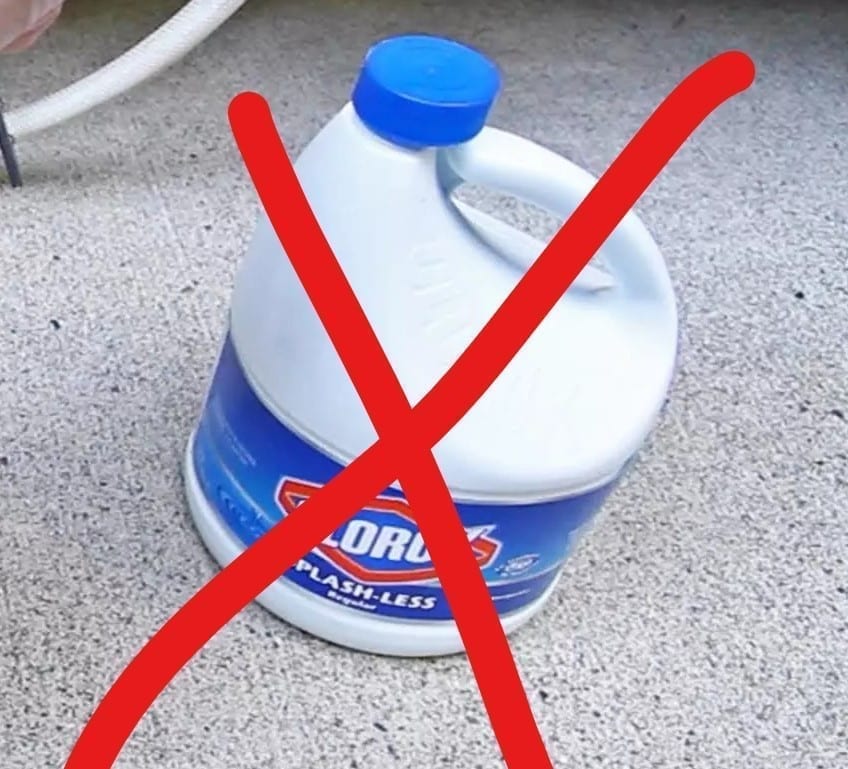
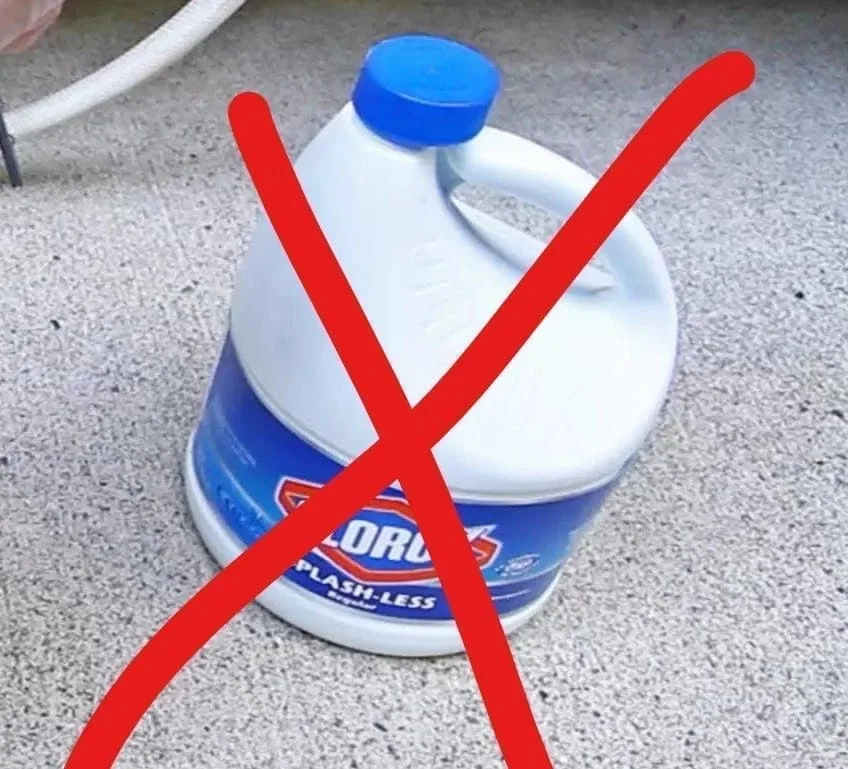
Bleach should never be used in an RV toilet as it can damage toilets, gaskets, and the components of the waste system, causing a whole host of problems.
Further down the line, bleach can also be a problem for your black tank: either by destroying the beneficial bacteria that live there (and help tackle odor) or by damaging the plastic of the tank itself. There can also be a host of potentially dangerous chemical reactions inside your black tank when bleach gets involved, so it’s best to avoid it entirely.
Safe RV Toilet Cleaner Options
So, harsh chemicals including bleach are out. But fear not – there are still plenty of easy-to-use, affordable RV toilet bowl cleaners to protect your waste system and have your bathroom sparkling in no time.
Non-Abrasive Sponges or Cloths
There’s no substitute for good, old-fashioned elbow grease. The most straightforward part of getting your RV toilet clean is simple scrubbing. Use non-abrasive sponges or a soft-bristled nylon brush to avoid potentially damaging the toilet finish and/or seal while you scrub. It may not be the most pleasant household chore, but thorough and regular cleanings make this a far less unpleasant process.
Vinegar and Water
When it comes to safe cleaning products, this is one of the classics. Make a mixture of equal parts white vinegar and water and add it to a spray bottle. Vinegar is a mildly acidic solution that cuts through grime, softens and removes mineral deposits, neutralizes the odor of urine, and is safe on most surfaces. Spray your toilet, let it sit for a few minutes, and then scrub or wipe away.
If you’ve got stubborn stains that have built up over time around the waterline, try pouring the vinegar solution into the bowl so it covers them and letting it sit overnight before scrubbing it clean. You’ll be amazed at how effective this simple trick can be.
There are also special RV toilet cleaners for the needs and limitations of an RV water and waste system. Let’s take a look at a few of them for those of you who prefer not to use white vinegar.
Unique RV Toilet Cleaner
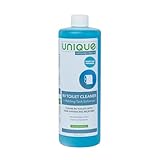
- Cleans RV toilet bowls. Specifically designed for RV and marine toilets. Cleans your toilet bowl without compromising the break-down process in your...
- Removed tough stains, toilet bowl rings and urine smells from plastic, ceramic, and porcelain toilet bowls. Won't damage seals or valves. Helps...
A product called Unique RV Toilet Cleaner is one of the best. It uses a combination of enzymes, beneficial bacteria, and tank-enhancing microbes to remove stains, lubricate toilet seals, boost holding tank waste decomposition, and reduce tank odor, all without harsh chemicals. And the fact that it includes the same beneficial bacteria that are often intentionally added to your black tank for odor control, it’s not only NOT harming anything in that regard but is actually helping.
Dometic 3-in-1 Bowl Cleaner & Tank Treatment
No products found.
Coming from Dometic, one of the major manufacturers of RV toilet bowls, you know this product is safe, and designed specifically for RVs. Plus, these lavender-scented, drop-in packets tackle many jobs at once. Their quick-dissolving, effervescent formula foams up and cleans the toilet bowl. The lavender scent makes your toilet & bathroom smell nice. And, once the bowl is clean and you flush it down, it aids in the breakdown of waste in your black tank. Trifecta! While not the least expensive option, they do say that time is money… so if you’ve got better things to do than clean your RV’s toilet bowl, these may just be worth it for you.
Lubricate Your RV Toilet Seal To Keep It Working
Regardless of how you clean your RV toilet or which cleaner you use, it’s good practice to regularly lubricate your toilet seal to help keep it functioning properly. A broken or degraded seal can cause all sorts of problems, from bad smells to water leaks. Remember, that small amount of water in the bottom of the bowl is the primary barrier that prevents black tank odors from entering your RV’s living space through the toilet.
It’s worth getting a bottle of lubricant specifically designed for this, like Thetford RV Toilet Seal Lube. It penetrates the toilet seal, ensuring it doesn’t dry out and crack, while also lubricating it to ensure the blade valve operates smoothly. This can significantly extend the life of your toilet seal and keep your rig’s waste system running correctly.

- [VERSATILITY]: Thetford's RV Toilet Seal Lube & Conditioner works with all permanent or portable toilets found in RVs and boats
- [FUNCTIONALITY]: Penetrates the toilet seal, lubricating and protecting

We hope these tips on cleaning your RV toilet will be helpful as you maintain your home on wheels while protecting components and enhancing the longevity of your RV’s plumbing and waste system.
Geek Out with Us Every Week
Join our newsletter to learn about all things RV-related. Every week we offer free tips, tricks, product reviews, and more to our online community of RVers. Whether this is your first time on the road or you’re a seasoned expert, we’d love for you to geek out with us!
Brooke
Saturday 6th of May 2023
But the website for clorox wands say there is NO BLEACH in this product.
TheRVgeeks
Tuesday 9th of May 2023
There can be other harsh chemicals that could harm the seals in RV toilets. And some other products (like the wands) can be too abrasive for them as well. Keep in mind... a standard household toilet is porcelain, so it's pretty impervious to everything, and doesn't have any seals in the flow of the flush (other than the flapper inside the tank). RV toilets can be made of plastic and have plastic/rubber seals to keep the water & contents in the bowl until you flush. Either can be damaged.
Barbara Brown
Friday 22nd of October 2021
Thanks, being a first time rv resident this has helped me a lot. I have signed up for your news letter and think that it will be very helpful.
Logan
Sunday 20th of February 2022
I second that!! Super helpful! Thank you guys!
TheRVgeeks
Saturday 23rd of October 2021
That's so great to hear, Barbara! Welcome, and safe travels.
Pat Parker
Sunday 20th of June 2021
Okay now i need to know which toilet bowl cleaner do you use. The unique….
Julie Cannon
Thursday 17th of June 2021
This is not an odd topic to cover. My husband and I will be embarking on full time RVING soon and I was standing in the cleaning aisle just yesterday wondering which toilet bowl cleaner I should get - now I know!! Thanks!!
TheRVgeeks
Thursday 17th of June 2021
Great to hear, Julie! Thanks for letting us know. ????