

RV holding tanks are a necessary part of RVing, especially when using your RV for extended periods. You may love the scenic landscapes you’ll experience in your RV, but foul smells coming from your holding tanks can ruin even the most beautiful views. So today we’re talking about the importance of fully functioning air admittance valves for keeping RV holding tank odors at bay.
What Causes RV Holding Tank Odor?
When you smell a mysterious odor in your RV, your black tank may spring to mind quickly, but it’s not always the culprit. While an RV’s gray tank doesn’t contain raw sewage, it collects bacteria-filled dishwater, food particles, body oils, and soap. When this combination sits for extended periods, it’s a recipe for odor.
RVs have plumbing systems engineered to vent odors to the outside. Air admittance valves are often a part of this engineering, so if you’re getting foul odors inside your RV it could signify a faulty valve.
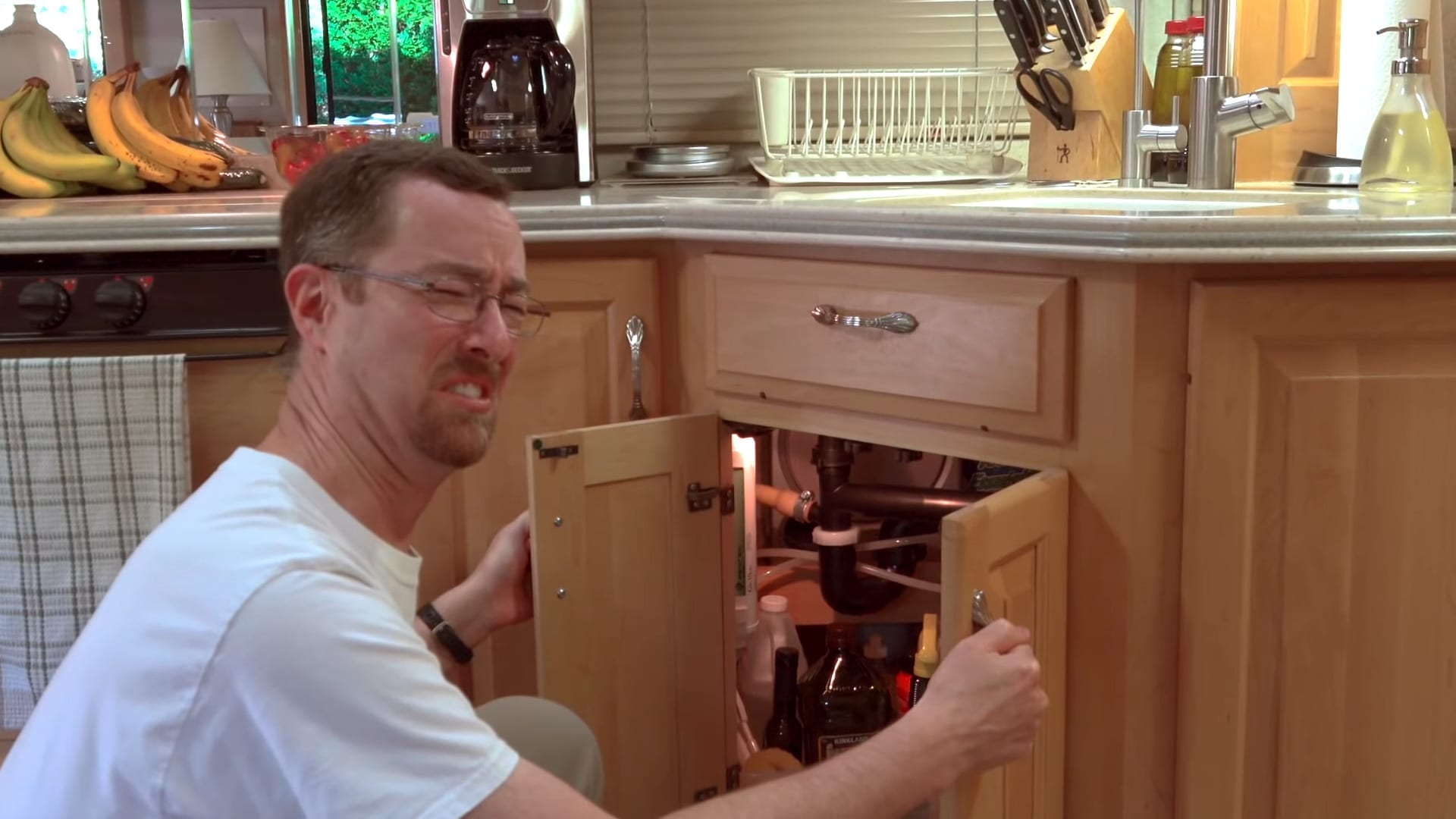
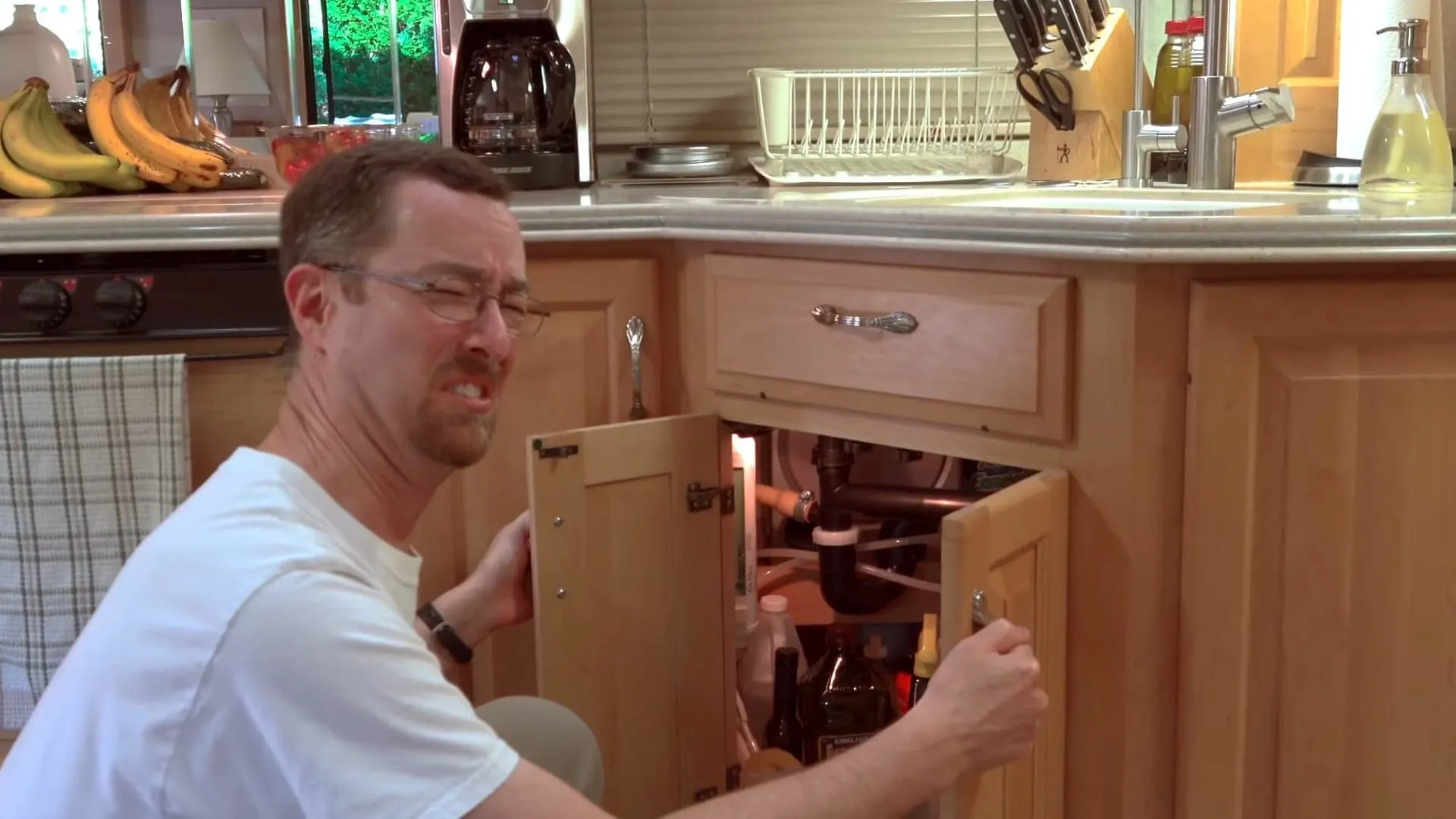
If you smell a foul odor and follow your nose to the area under your RV’s sink, you may have discovered a bad air admittance valve.
What Are Air Admittance Valves and How Do They Work?
Air admittance valves are critical components in plumbing systems… not only in RVs but also in standard residential plumbing. Air admittance valves allow air into the system through a one-way valve, allowing water to flow smoothly and preventing the formation of a vacuum in the plumbing system.
When water flows down a drain, it fills the space previously occupied by the air. But as the water passes through the plumbing, it needs to be able to draw air in as it goes by so that a vacuum isn’t formed. This is where air admittance valves come into play. They are one-way valves designed to allow air INTO the drain pipes, not out of them.
As water flows down the system, the air admittance valve opens, allowing air to enter through it and into the drain plumbing as the water flows into the gray tank. This ensures that the flow doesn’t create a vacuum that could siphon the water out of the p-trap (the North American term for a trap in a plumbing line). The water that stays in the p-trap is supposed to be there to block odors from escaping through your sink drain.
Without air admittance valves, a large flow of water down the drain could siphon that water out of the p-trap. If that happens, odors from the gray tank can escape through the drain in your sink.
Once the flow of water slows or stops, the air admittance valve closes, preventing any gases (a.k.a. odors) from escaping the gray tank or drain plumbing. If there’s not enough water in a P-trap, you’ll experience signs of a faulty air admittance valve – namely a nasty odor.
⬆️ ⬆️ Watch the video embedded at the top of the post for an animation showing this at 1:48! ⬆️ ⬆️
How to Know If Your Air Admittance Valve Is Faulty
Odor is frequently an indicator of a faulty air admittance valve. As odors from your RV’s gray tank escape into the living space, the noticeable smell will grow stronger, often to an unbearable level that you can’t ignore.
So, if you smell something foul, check this valve first. You’ll smell the odor throughout your RV, but it will be more powerful the closer you get to your sink.
Many RVs have air admittance valves in the cabinet under their sinks, but your RV’s construction could be different.
If the valve failed and is remaining open when it shouldn’t (after the water has finished draining), the strongest smell will be under the sink, since the valve isn’t closing to prevent odors in the gray tank from escaping into your cabinet.
If the valve failed the other way, and isn’t opening when it should (while water is running down the drain), the odor will be strongest coming out of the sink drain itself, since the air admittance valve didn’t prevent the p-trap from being siphoned. This allows the odor to get past the p-trap and come out the drain.
Either way, the air admittance valve needs to be replaced.
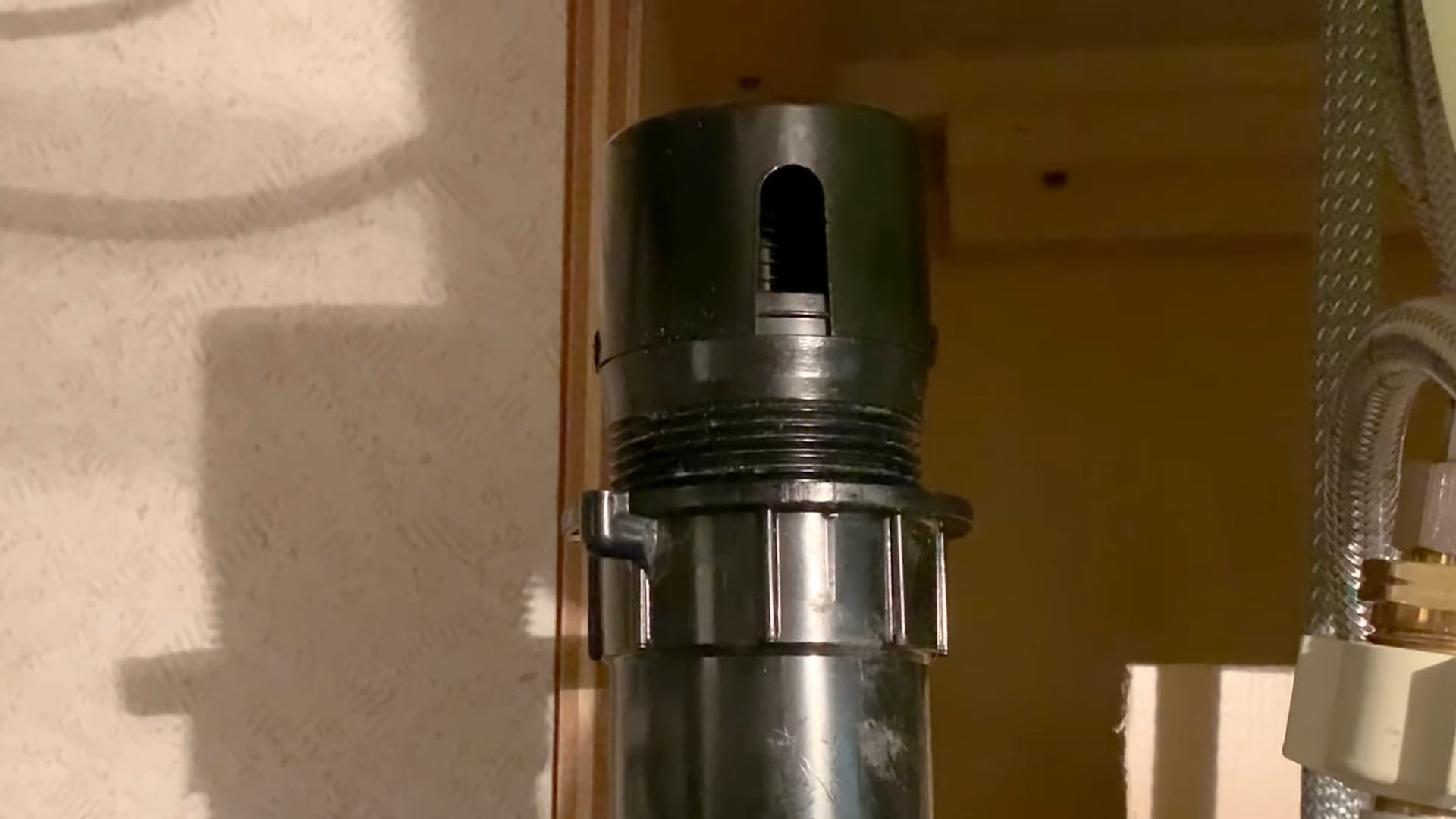
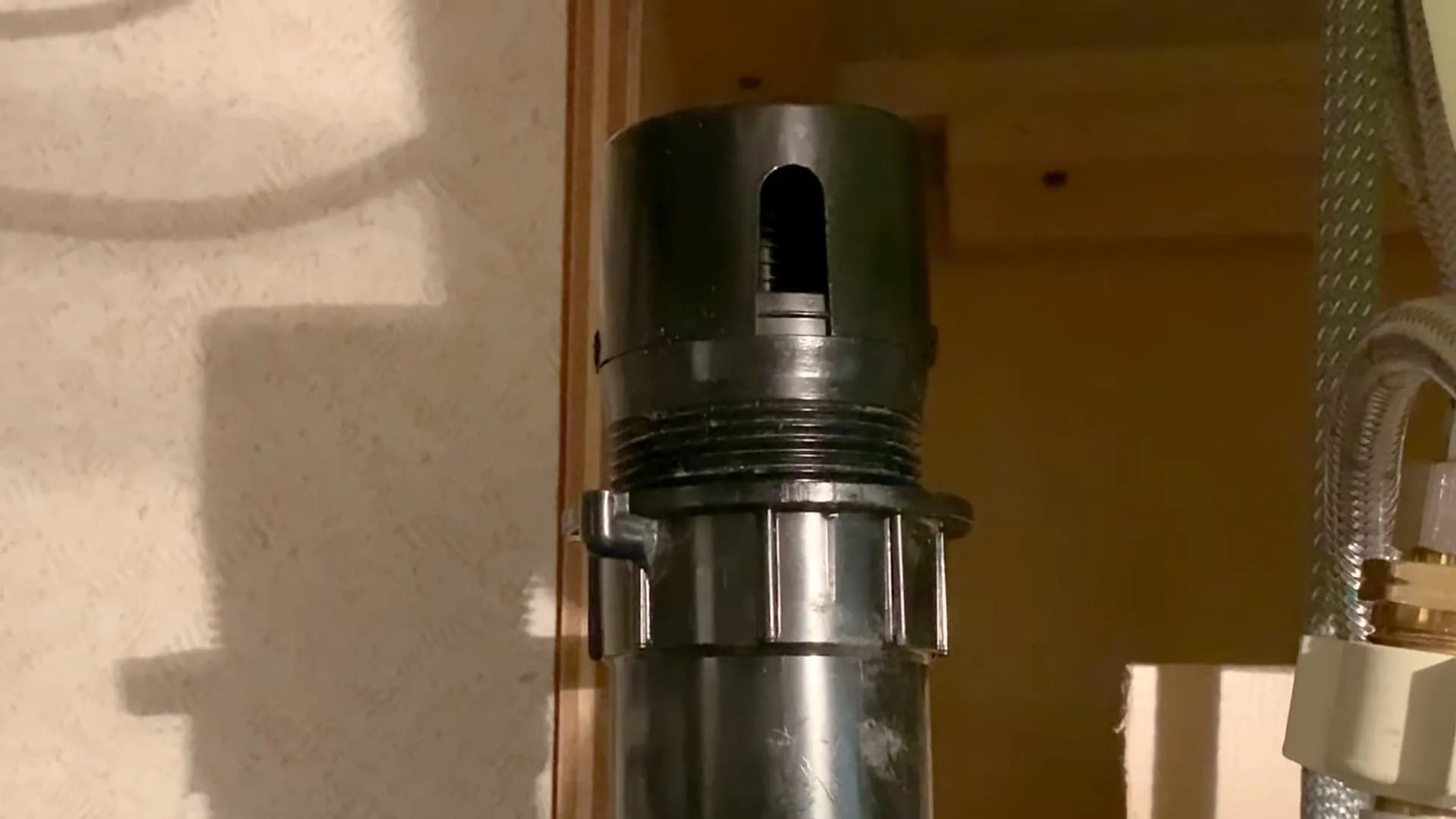
When our RV’s air admittance valve stopped functioning properly, we found our valve located under the galley/kitchen sink and replaced it very easily.
Even if you’re not currently experiencing this issue, it’s worth researching and noting where your air admittance valves are located for future reference. Doing so will save you time and trouble should you experience an issue in the future.
How to Replace RV Air Admittance Valves
Finding the valve is often the most challenging part of replacing it, but your nose is likely to be your greatest assistant in this process. Look underneath your sink(s)… the air admittance valve is usually installed at the top of a length of pipe that extends up, almost to sink level. They may be hard to tell apart from the drainpipes they are attached to, often looking like a cap.

- Compact air admittance valve with PVC adapter; ideal for a single fixture or group of fixtures up to 20 DFUs (drain fixture units) on a branch
- Creates ventilation that prevents the loss of water seal in trap

Air admittance valves are incredibly easy to replace or upgrade and typically require no tools or assistance. The valves have threads on the bottom so they simply need to be unscrewed to remove them (depending on how old they are, you may need a plumber’s wrench or large pair of channel lock pliers to get it loose). Once removed, it’s easy to screw the new air admittance valve on until it’s snug, but don’t overtighten it. And that’s it!
Replacing a failed valve is a great opportunity to upgrade it to a higher-quality one, too (the ones that RV manufacturers choose aren’t usually the best… shocking, we know!). When we replaced our failed air admittance valves, we used these:
Once replaced, you can 0pen a window or two to clear the foul odor, and you’ll be back to enjoying the comforts of your RV in no time.
Other Ways to Reduce RV Holding Tank Odor
While this can be one cause of RV holding tank odors, it’s certainly not the only one. Following are a few other possible culprits and solutions to research, should you smell a foul odor inside your RV.
Upgrade The Plumbing Vents On Your Roof
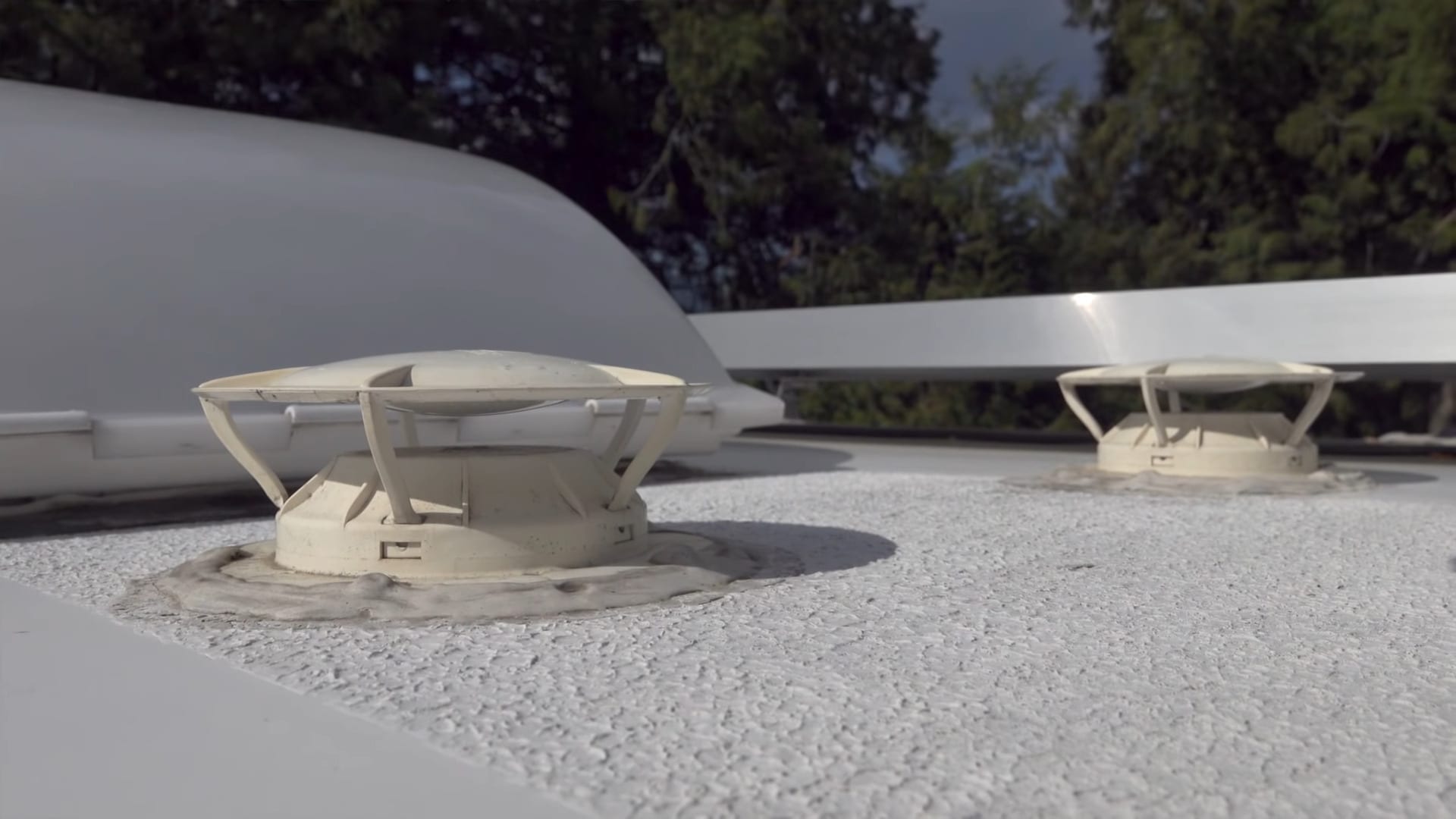
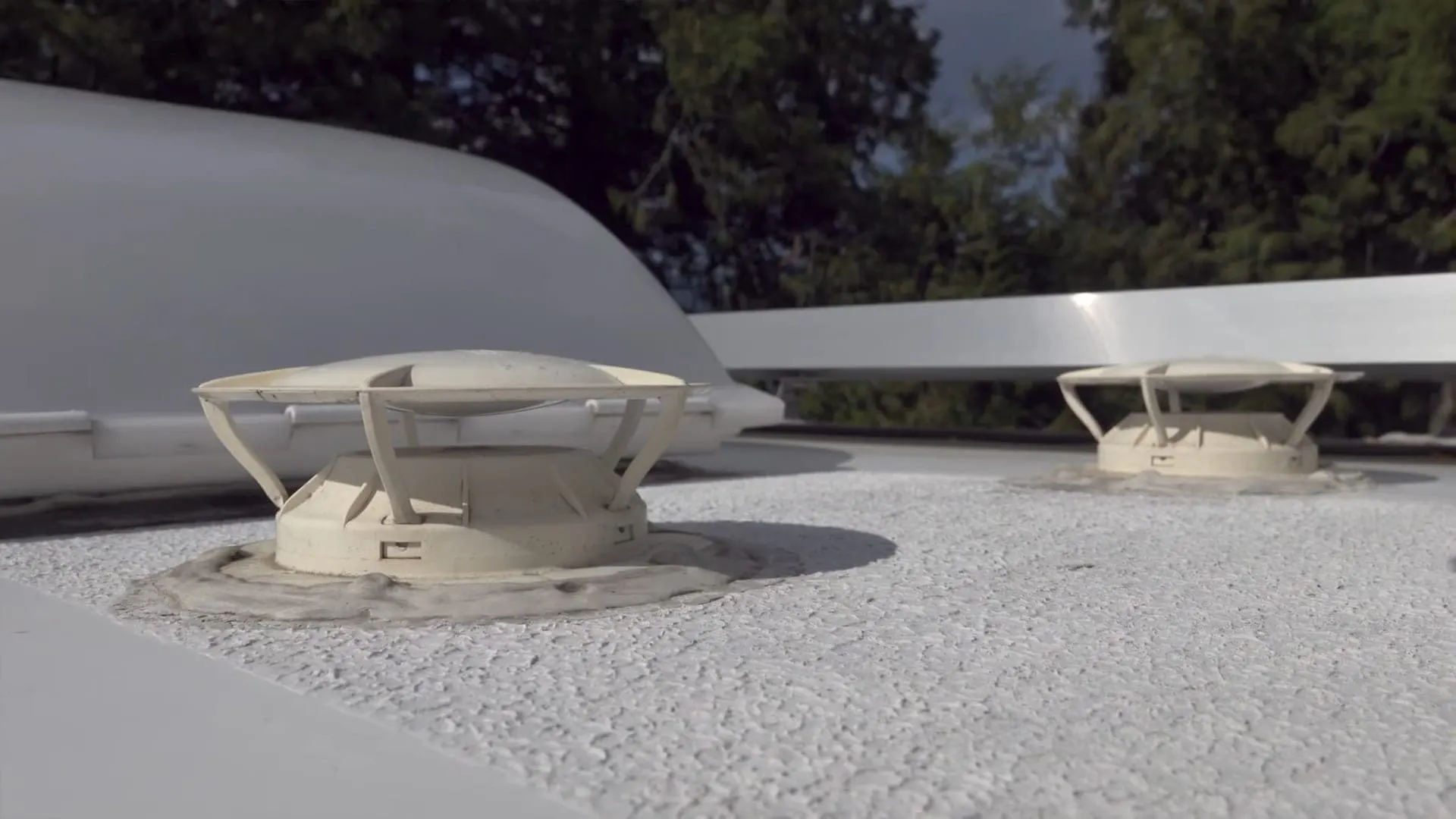
Our 360 Siphon roof vents create sufficient negative pressure in the system to keep odors out of our RV.
Your RV’s holding tanks need to be vented as well, ensuring that as water enters and fills them, the air has someplace to go (other than into the RV). So vent pipes are installed into the tops of the tanks, running directly to the roof to provide a route for the air to escape.
Standard plumbing roof vents that are installed at the factory are simple caps designed to prevent debris from entering, and blocking, the pipe. But they can actually cause problems with airflow… in the right (or wrong) conditions, they can allow wind to blow down the pipe, pressurizing the tank and pushing odors out into the RV.
Replacing those standard roof vents with something that’s better designed can eliminate that problem… and even help prevent odors by ensuring there’s a constant flow of air up and out the vent pipe. That’s why we installed 360 Siphon Vents in place of our standard plumbing vents. When the wind is blowing across the roof (in any direction), these clever vents use the venturi effect to draw air up and out through the vent pipe, helping to keep odors flowing in the right direction… away from you!
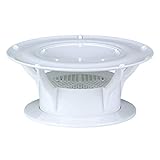
- Eliminates Odor - Exhausts Odors Out The Roof Vent Before They Have A Chance To Invade Your Rv
- Compatibility - Engineered For A Universal Fit, The 360 Siphon Is Compatible With All Rv Vent Caps
Regularly Clean Your Holding Tanks
Think for a moment of all the items that go down your RV drains and into your holding tanks. In addition to the raw sewage that ends up in the black tank, the gray tank accumulates food particles, soap, body oils, and other substances.
If you have a flush valve on your holding tanks (much more common on black tanks than gray), using them regularly will help reduce these unwelcome additions from your tank. If not, you can fill your tanks with clean water to remove unwanted particles. Filling and emptying with fresh water can help rinse 0ut odor-inducing particles from your holding tanks. If you don’t have a built-in tank flush system, a wand that goes down the toilet is a great option for rinsing the black tank.
Use Holding Tank Deodorizer
There are many holding tank deodorizers on the market. These products not only speed up the process of breaking down leftover food particles and bacteria, but they can also leave a pleasant scent. Deodorizers continually release their odor-fighting chemicals as the pod contents break down in the tank.
Use Holding Tank Enzymes to Help Break Down Waste
They’re not just for your black tank! For maximum efficiency in all of your RV waste holding tanks, you can use specially-designed enzymes to break down waste. These products are specifically engineered to target large and small chunks of waste and food. Enzymes attack these waste particles and break them down, so they’ll flush out the next time you empty your RV’s holding tanks.
We’ve been happy with a product called Happy Campers, an organic holding tank treatment.

- ODOR FREE: Eliminates odors in the RV holding tank. Absolutely no chemical or sewer smell.
- Septic tank friendly
If you’re in a situation where stubborn odors just won’t go away, or you’re having the common problem of tank sensors that read incorrectly, or not at all, there’s an additional step available — Power washing your holding tanks! We recently shared our experience of having our black and gray tanks blasted for the very first time.
It’s easy to take for granted a fresh-smelling RV until foul odors invade your living space. Conducting regular preventative maintenance and using a combination of cleaning methods is the best way to keep your RV holding tanks clean and odor-free.
Geek Out with Us Every Week
Join our newsletter to learn about all things RV-related. Every week we offer free tips, tricks, product reviews, and more to our online community of RVers. Whether this is your first time on the road or you’re a seasoned expert, we’d love for you to geek out with us!
robert
Wednesday 14th of June 2023
I have 3 anti-siphon valves(Grand Design calls them anti-siphon on design sheets) on my front gray tank for my GD rv 3740. The highest in physical elevation is on the clothes washer drain line in master closet (no washing machine connected), then the master bathroom gray water drain line (probably pretty close to same height as washer drain), then the lowest is kitchen sink drain line. from the design sheet, looks like master shower drains into tee for front gray vent line to roof and into tank?? have had odors that appear to originate from master sink and/or master shower, appreciate your insights on if you think anti-siphon and air admittance are the same and if I need to replace only one (or more) of the anti-siphon (I was thinking the master sink but could be easily convinced to replace one under kitchen sink) thanks, I have design sheet if that would help but not sure how to post so be happy to send via email
Robert
TheRVgeeks
Wednesday 14th of June 2023
Hi Robert. First... yes, in effect, "anti-siphon" valves and "air admittance valves" are the same thing (there may be technical differences between the two, but their purpose is, generally, the same). The easiest thing to do to test is to put a plastic bag over the top of the valve under the master sink, using a rubber band to secure it in place. See if the odor goes away. If it does... you likely have a faulty/defective anti-siphon valve. Easy-peasy to replace it and be back to normal.
But, of course, if that DOESN'T stop the odor, you'll have to look further. But, at least you'll know it's NOT the anti-siphon valve being the culprit.
Another possible issue is if your tank vents come out on the roof too close to the vent fan we assume is in the master bathroom. If so, if you leave the vent fan open, but not on, wind can blow odor coming up out of the tank vent pipe down and into the roof vent opening. So, if you normally leave the bathroom vent open and not on, try closing that for a few days (except when its needed and running) to see if that solves it.
Hope one of these two are your issue!
Chris B
Sunday 7th of May 2023
You didn't post a link to the replacement RV Air Admittance Valve. Curious what you used. Thanks.
TheRVgeeks
Tuesday 9th of May 2023
You're right, Chris! Not sure how we missed that! We just added an embed with the AAV's we used... you can get them on Amazon here: https://amzn.to/3HWCDDd
Shelley T
Tuesday 8th of November 2022
Hi! I'm replacing the the valves in my rig with the brand you used. I see where it gives the option of PVC or ABS. How do I know which to buy? Bathroom sink pipes are black, kitchen are white. Single woman learning on her own, with a lot of help from you all! Thanks so much!
TheRVgeeks
Tuesday 8th of November 2022
Hi Shelley! Great question… and we’re happy to help! Generally, for plumbing purposes, ABS is always black while PVC is white. PVC IS available in black… but it’s more of a specialty item, and not generally available/used as plumbing.
TBoneCO
Thursday 21st of April 2022
I know this is an old post, but is it normal for a gray water pipe to dump into the black tank? I noticed on my RV that the bath sink drain is plumbed directly into the black tank vent pipe. Only thing protecting the interior from the black tank smell is the p trap and AAV (aka studor vent, anti-syphon vent) and the black tank vent.
Thomas
Tuesday 29th of August 2023
@TheRVgeeks, If a black tank gets too full can it prevent the roof vent from working? Im chasing the sewer smell in my 2022 Jayco camper and I bagged the under sink vent in the kitchen over night but the smells seem as if they actually got worse. My wife did not realize that she left the black tank a lot more full then she realized. I found this out when I opened the toilet and looked down and I could see water and waist. I have no where to dump the black tank till we go camping this Friday. I have poured water and dawn down the sinks inside kitchen, bathroom, and outdoor kitchen, bagged the valve, and still stinks. Just looking for ideas. One thing of note, my wife accidentally over filled the gray tank when we were camping last weekend and I had water in the shower and the outdoor kitchen. Is it possible something got messed up?
Thanks,
TheRVgeeks
Thursday 21st of April 2022
There are indeed some RVs that have the setup you're describing, often due the plumbing and/or tank location and configuration. It's good that you're aware of it, since smelling black water (vs gray water) will be the alert that you may be having an issue with your AAV or other component. Might be a good reason to replace your roof plumbing vent with a 360 Siphon, at least if you're having odor issues. How to Replace an RV Plumbing Vent (and Upgrade It!)
Pat Parker
Friday 4th of June 2021
Do these air admittance valves screw on all types because i noted that you can chose an abs or pvc adapter. Do i need two one for the bathroom and one for the kitchen as I think it would be a good idea to change them out because as with your RV ours is 15 years also
TheRVgeeks
Monday 7th of June 2021
BTW... most RV drain plumbing is ABS (black) because it's stiffer, sturdier, and better able to handle sudden temperature changes (plus it only requires a single-step process for gluing the pieces together, which makes it easier for the manufacturers). PVC tends to be white and is a little more pliable.
TheRVgeeks
Friday 4th of June 2021
When we get a chance, we’ll check out your air admittance valves, and let you know how they look. ????