
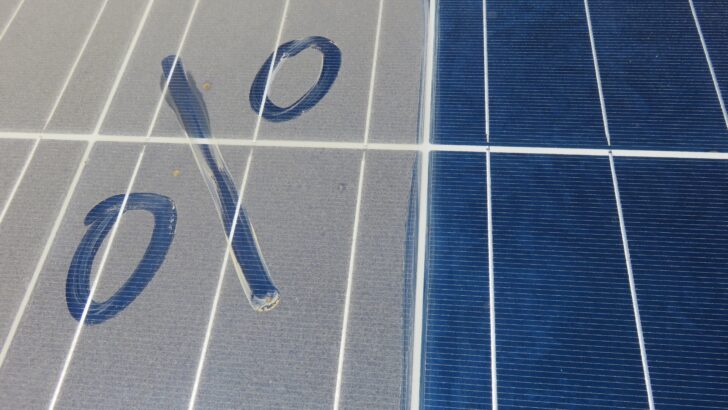

Knowing how to clean RV solar panels is more important than you may think. Not only are you protecting the surface of the panel, but dirty solar panels mean less power. We know this isn’t rocket science, but it is important!
When solar panels get dirty from dust, pollen, bird droppings, and tree sap, they lose their ability to produce power. Keeping them clean ensures that they continue to put out the maximum amount of power they’re capable of producing.
So, cleaning the solar panels on your RV roof several times a year (or more often if you’re like us ????) is an important part of the maintenance of your solar system for maximizing solar output. But, the last thing you want to do is use any type of product that might leave a film on the panel.
Fortunately, caring for your RV solar panels is actually very simple (as long as you have a safe way to access your RV roof).
So, in this post, we’ll tell you how to clean the panels and what products are best to use to keep your solar panels performing at maximum capacity for many years.
Is Rain Enough to Clean My RV Solar Panels?
This is a common question and one we’re tempted to answer with another question: Is rain enough to keep your car or RV clean?
The answer, of course, is no.
While rain is helpful in washing away some dirt, dust, and pollen, there are other factors that come into play. These include bird droppings, tree sap, salt, environmental contaminants, and road grime that comes from driving on many different types of road surfaces.
So, sometimes you have to wash your car using a mild soap to address all of this. The same is true for solar panels that ride along the road with you… and sit under trees, with birds flying above them, etc.
In addition, rain may push dust and debris toward the frame of the solar panel, which will then dry, impacting the panel’s output.
Rain is insufficient for keeping your RV solar panels clean and performing optimally.
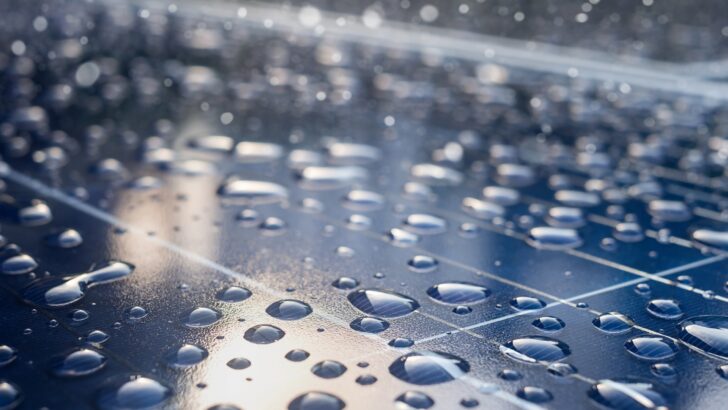
Rain is not sufficient for the purpose of cleaning RV solar panels over time.
Do I Need Special Products to Clean My RV Solar Panels?
Fair warning: We’re about to step into a bit of a controversial area here.
There are many articles online suggesting that the only thing you should use to clean any solar panel is de-ionized or distilled water, free of mineral ions and all other impurities.
Then again, some say you must use a special “solar panel cleaner.”
Others say the best way to clean solar panels is with hydrogen peroxide or a mixture of vinegar & water and special scrub brushes.
Still, others say you should never use hydrogen peroxide or vinegar on a solar panel. Some even say never to use any type of soap because it’ll leave behind a film.
While we agree that using any type of chemical or harsh brush or pad is a bad idea, we think some people may be complicating the cleaning of RV solar panels unnecessarily.
It’s true that chemicals can be harsh and abrasive and may be capable of scratching the surface of the panels, reducing their effectiveness. But the truth is that rigid glass solar panels are pretty durable. The tempered glass is designed to be pretty weatherproof, (including hail, which we can attest to first-hand!), so it’s fairly resistant to most things.
What you don’t want is for dust, pollen, dirt, tree sap, and other grime and debris to remain adhered to your solar panels, including around the frame edges. All of that stuff will reduce the panels’ output, and we need all the power we can get!
So, we’re here to tell you what’s worked successfully for two guys who’ve been on the road full-time in an RV (with solar panels) for over 20 years.
NOTE: We’re primarily talking about traditional rigid glass solar panels. If you have any type of “flexible” panel, following the manufacturer’s care instructions is the way to go. Not that cleaning them is all that different. But you’ll want to check the owner’s manual to be safe.
How to Clean RV Solar Panels
As always, safety first. Anytime you work on your RV roof for any reason, you’ll want to exercise caution. Some RV roofs can be extremely slippery, especially when they’re wet. Even the most agile among us can slip and fall.
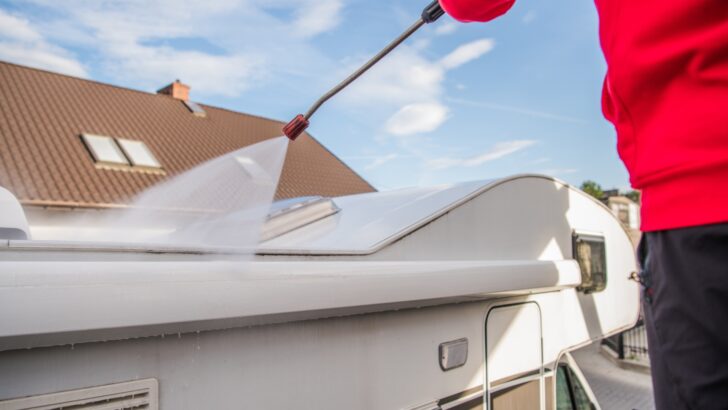
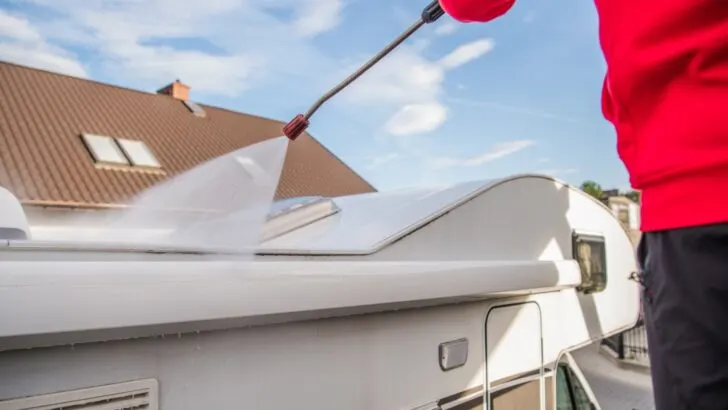
Always use extreme caution when accessing your RV roof.
Also, not everyone can or wants to do any type of work on the RV roof, and there’s nothing wrong with that.
Still, someone needs to address the RV roof from time to time, and the cleaning of solar panels every now and again is important. You should be keeping the roof itself clean and preventing RV roof leaks with Dicor maintenance, so solar panel maintenance can be done at the same time.
So, step one is to use extreme caution accessing and working on your RV roof, or seek assistance from a neighbor, friend, or professional.
And step two, the actual washing of the panels, is very simple:
Clean your RV solar panels with a soft sponge or mitt, using the same mild soap you’d use to wash your car or RV.
Now… we’ll admit that we wouldn’t recommend using just any soap, but we don’t use just any soap to watch our car or RV either.
Our favorite is Meguiar’s Gold Class Car Wash, which we’ve used on our RV and our car for years.
Meguiar’s Gold Class washes away the dirt, grime, and other contaminants from driving hundreds of miles along dusty roads. But it’s mild enough not to strip the wax from our rig.
Meguiar’s is also what we use to clean our RV’s roof… and solar panels. It’s mild, and safe for all paint types and clearcoat. We’ve found it to be very effective and safe for use on our solar panels as well.
We also use a soft, non-abrasive Microfiber wash mitt. You could also use a soft cloth.
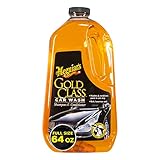
- Rich and luxurious car wash designed to wash and condition paint in one easy step
- Premium formula offers rich foaming and sudsing action to gently and safely wash away tough dirt, road grime and contaminants without stripping wax...

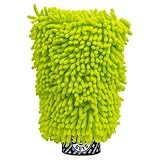
- GENTLE ON PAINT, TOUGH ON DIRT - The Chenille Car Wash Mitt is made with premium 70/30 blended microfiber for extra-soft scratch-less cleaning and...
- EXTRA PLUSH - The Chenille Car Wash Mitt is made of extra plush microfiber that holds tons of clean water and soap to drench any car in thick foaming...
Between washes, when the panels are just dusty or have a light layer of pollen preventing you from obtaining maximum output from the panels, you can use a product like the California Duster to remove the dust without doing a complete wash. We use ours on our entire rig, including the solar panels.
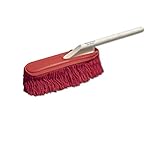
- The Original California Car Duster literally works like magic
- Removes dust quickly, without scratching paint
If the panels are more than just dusty, and you don’t want to wash your rig (or aren’t in a place where you can), we use our favorite glass cleaner and microfiber towels. Invisible Glass With Rain Repellent helps water bead, keeping panels cleaner between washes.
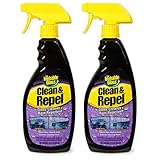
- RAIN, SLEET, SNOW: The elements are no match for the tough, dependable performance of the Invisible Glass Clean & Repel rain shield spray glass...
- IMPROVE RESPONSE TIME: Driver reaction time improves by 25% in wet weather when Invisible Glass rain repellent and glass cleaner combines for an...
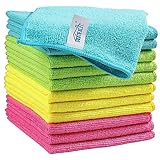
- EFFECTIVE CLEANING: Take these cleaning cloths in the perfect size (11.5"X 11.5") to clean your worktop, kitchen, windows, or even your car and other...
- LINT-FREE & SCRATCH-FREE: Made of 87% Polyester and 13% Polyamide, these cleaning rags are soft to the touch and lint-free. They will not scratch or...
It’s really that simple (unless you have bifacial solar panels on your RV… then you’ll want to clean BOTH sides).
We’ve been caring for our solar panels this way for years, and we’re still achieving maximum output from our panels.
What you read from many sources can not only be confusing but can also complicate matters unnecessarily. We never use vinegar, hydrogen peroxide, deionized water with a special sprayer, “solar panel cleaner” or Windex (once you try Invisible Glass you’ll never use that again either).
Our take is that if you use a mild but effective high-quality car wash on your RV’s paint, you can use it on your RV solar panels.
How Do You Clean Your RV Solar Panels?
If you’ve got a special way to clean your RV’s solar panels that’s worked well for you over the years, we’d like to hear about it in the comments section below.
Free RVing Tips, Tricks, Reviews, Giveaways & More
Subscribe to our daily newsletter! We’ve been full-time RVers for 20 years (!) and share everything we’ve learned about RVing in our daily blog posts. Join our online community to receive a wealth of great RVing knowledge delivered right to your inbox.
Whether this is your first time on the road or you’re a seasoned full-timer, you’ll love the wide range of RVing topics we cover. Don’t miss a single article or any of our famous RV gear Giveaways — Subscribe today!
RJ
Saturday 27th of May 2023
In my opinion it's glass, I use Maguires Gold car wash soap or just Windex, never had an issue.
Bob
Saturday 27th of May 2023
@RJ,